Mold Is a Symptom, Not the Problem: What a Musty Smell Is Really Telling You
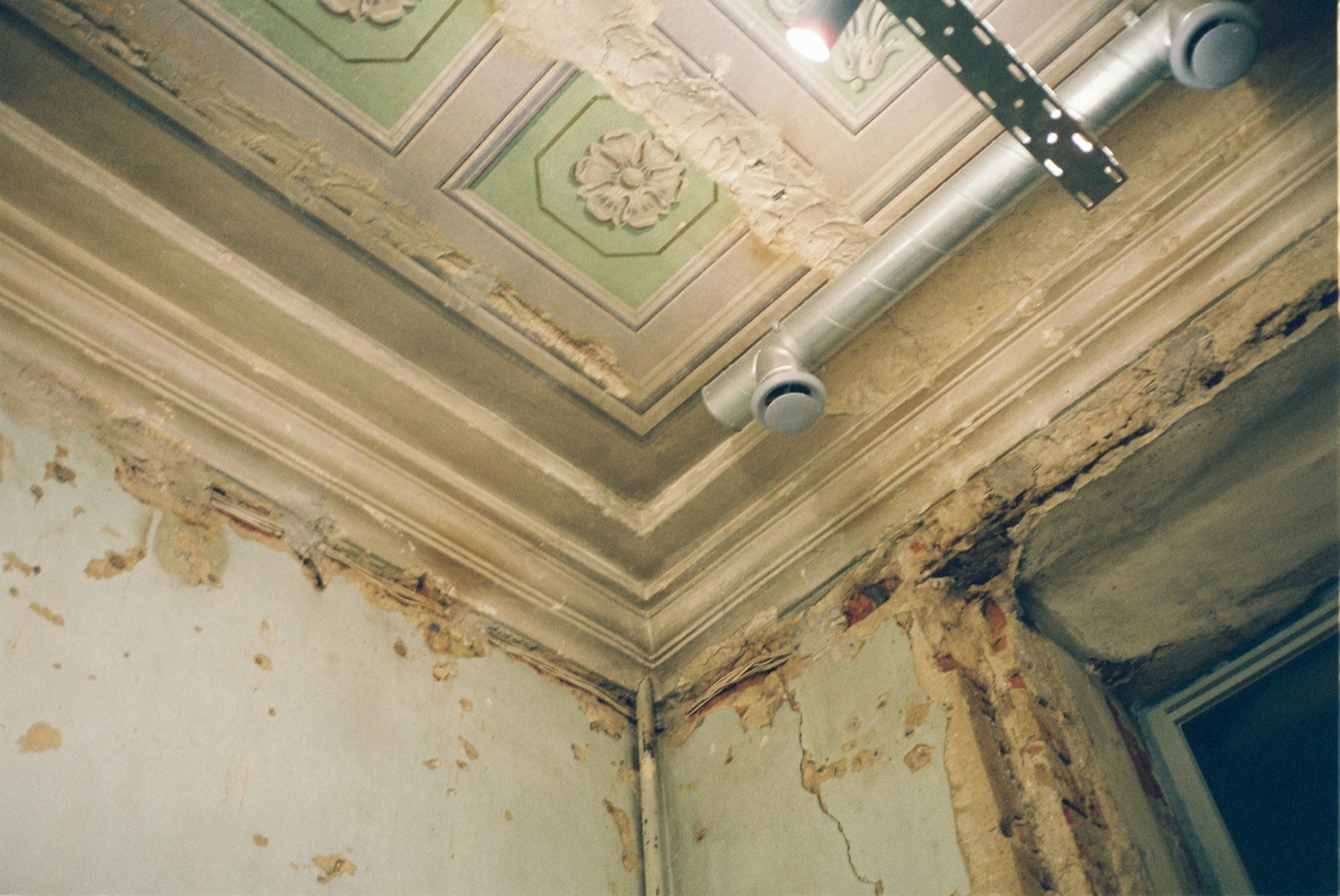
Mold can start growing in as little as 24 to 48 hours after a material gets wet, and it does not always take a leak to get there. The EPA says indoor humidity alone, anything above 60 percent, is enough to feed it. That is why mold is not really the problem. It is the warning light on the dashboard telling you a moisture problem has been running longer than you knew.
Most owners react to mold the way you would react to a stain. They wipe it, spray it, paint over it, and move on. Then it comes back, because the thing that caused it never left. Mold is a symptom. Kill the symptom and ignore the source, and you are just buying time until it returns, usually bigger.
Over the last few weeks we walked through how water gets into a building and how to decide between a repair and a rebuild. This is what happens when that water is not caught in time. The leak stops making news and starts making mold.
What That Musty Smell Actually Means
Before you ever see mold, you usually smell it. That damp, earthy, basement-like smell is not just an odor. It is mold actively growing on something it is slowly eating, releasing what it releases into the air you breathe. If a unit smells musty even after you clean it, the source is still active somewhere you cannot see.
A smell with no visible mold is the most important warning of all. It means the moisture and the growth are happening behind a wall, under a floor, above a ceiling, or inside insulation. The nose is catching what the eye cannot. That is the moment to look harder, not to light a candle.
Mold Does Not Need a Flood, Just Moisture
People assume mold means a burst pipe or a roof leak. Often it is quieter than that. A bathroom with a weak exhaust fan. A window that sweats every cold morning. An HVAC system with a clogged drain line. A laundry room with no airflow. None of these are dramatic, and all of them can hold enough moisture to grow mold for months.
This is why mold can appear in a building that never flooded. The EPA recommends keeping indoor humidity below 60 percent, and ideally between 30 and 50 percent, for exactly this reason. When the air itself holds too much water, the building does not need a leak to develop a problem. It just needs time and a spot with no airflow.
Why This Is More Than a Cosmetic Issue
Mold is not only a building problem. It is a people problem. The CDC reports that people who spend time in damp, moldy buildings experience more respiratory symptoms, more asthma flare-ups, and more infections. For a rental, that is not an abstract risk. That is a tenant complaint, a health concern, and in some cases a liability question.
A musty unit is hard to rent and easy to lose a good tenant over. The smell alone tells a prospective renter that something is not right, even if they cannot name it. Solving the moisture source protects the building, the people in it, and the income it produces, all at once.
Finding the Source Is the Whole Job
Removing visible mold without finding the moisture source is not a fix. It is a delay. The real work is tracing the moisture back to where it starts, the same way you would trace a leak back from a stain. Is it humidity. Is it ventilation. Is it a slow drip nobody flagged. Until that answer is found and corrected, the mold has a reason to return.
This is why cleanup and diagnosis are two different skills. Anyone can wipe a surface. Finding why the surface keeps getting wet takes someone who understands how water and air move through a building. Fix the source, control the moisture, and the mold loses the conditions it needs.
Why Owners With Many Units Should Pay Extra Attention
In a single building, one musty unit is a project. Across a portfolio, it is a pattern. The same weak exhaust fan or sweating window that causes a problem in one unit was very likely installed in dozens of others just like it. What looks like an isolated complaint is often a building-wide moisture condition you have not measured yet.
This is where a scheduled set of eyes pays for itself. Catching high humidity, poor ventilation, and small moisture issues early, across every unit, stops one complaint from quietly becoming twenty. The owners who stay ahead of mold are not lucky. They are the ones checking for moisture before a tenant smells it first.
How a Conversation With Rigel Builders Works
There is no pressure and no obligation. You tell us what you are seeing or smelling, and we give you an honest read on what is likely causing it and what it will take to fix the source, not just the surface.
As a licensed, bonded, and insured builder, and a Service Disabled Veteran Owned Small Business, we look at the whole building, from the moisture source to the materials it reached. If it is a simple ventilation fix, we will tell you. If it goes deeper, we will show you why.
Start a conversation any of these ways:
- Email us at info@rigelbuilders.com
- Visit the contact page
- Book a call
- See the Property Partnership Program
- Take our quick readiness quiz
Smelling Something You Cannot See?
Tell us what you are seeing or smelling and we will give you an honest read on what is likely causing it and what it takes to fix the source, not just the surface. No pressure and no obligation.