Storm Season Roof Check: How to Know If Your Roof Needs Attention Before It Becomes a Problem
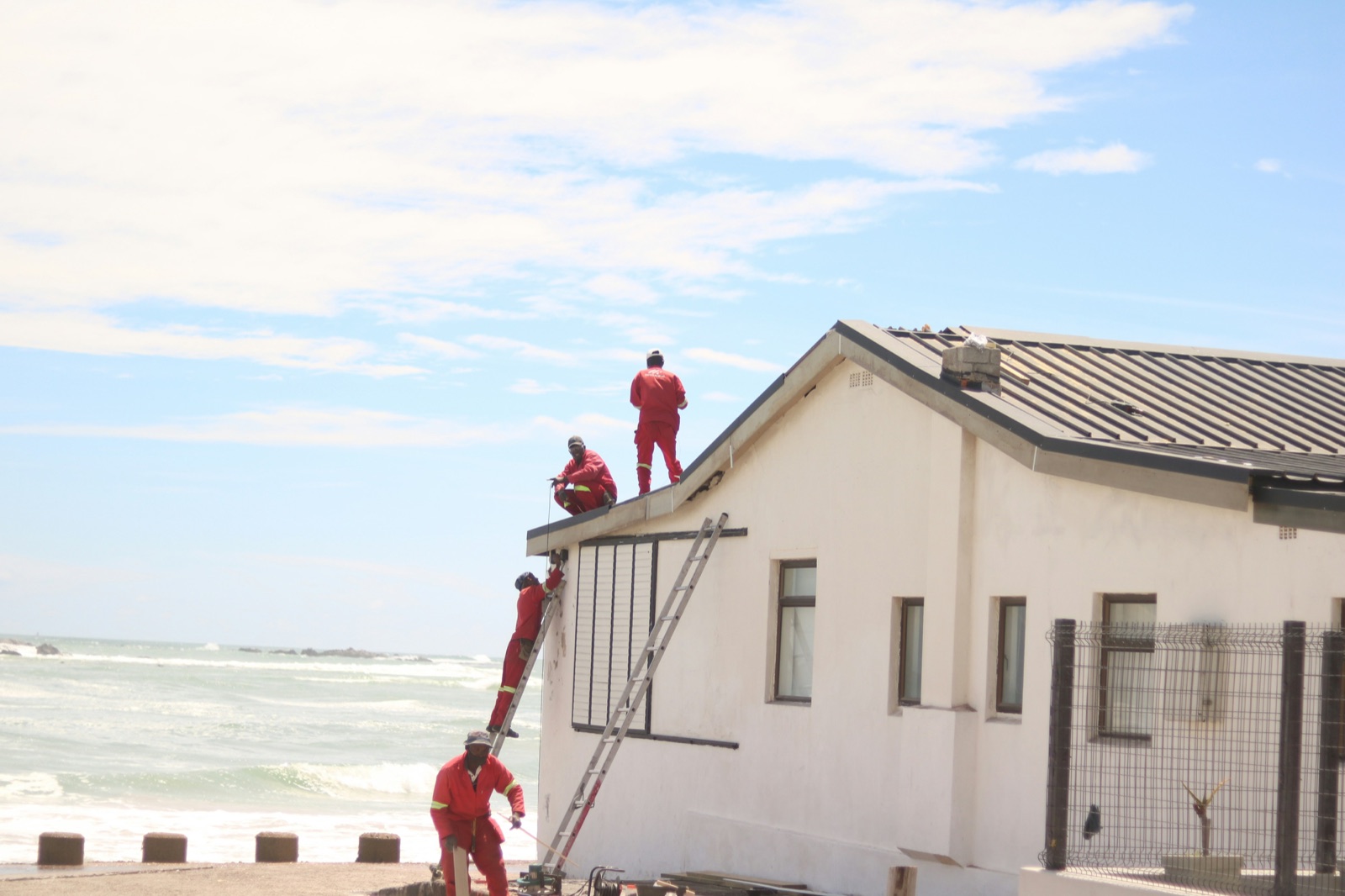
Your roof is the most expensive part of your building to ignore. In 2024, roof repair and replacement costs across the country reached $31 billion. The following year, the average residential roof replacement cost jumped to $17,631, a 33 percent increase over the prior four-year average, even as overall claims fell by nearly 20 percent. The bill keeps rising. And most of it comes from ordinary wind and hail hitting roofs that were already worn, already aging, already one storm away from a leak.
Here is the part that should get your attention. A roof with less than four years of life left takes about 50 percent more damage in a severe storm than a roof with plenty of life in it. The condition of your roof before the storm decides how much the storm costs you. And most owners have no idea what condition their roof is actually in until water is already coming through the ceiling.
You cannot control the weather. You can control whether your roof is ready for it. If our storm-worthy guide covered getting your whole building ready, think of this as the part where we go up on the roof. Here is how to tell.
Why Storm Season Is the Wrong Time to Find Out
By the time a storm is in the forecast, it is too late to do anything useful. Supplies get short. Every good contractor in the area is booked. And a roof that needed a small repair in the spring becomes a full replacement after the water gets in.
The damage also does not always announce itself. Wind lifts and loosens shingles without tearing them off. Hail bruises the surface and knocks off the granules that protect the shingle, and you will not see it from the ground. The roof looks fine. Then three months later a slow leak shows up in an upstairs ceiling, and by then the decking underneath is rotting. The storm that caused it was half a year ago.
That is the pattern we see over and over. The bill is rarely the storm itself. The bill is the small problem nobody caught in time.
What to Look For Before the Season Peaks
You do not need to climb on the roof. A lot of the warning signs are visible from the ground or from inside the building. Here is where we tell owners to start.
Shingles that are missing, curling, or lifting. Any shingle that is gone, buckled, or peeling up at the edge is an open door for water and wind. This is the most common sign that a roof is nearing the end of its useful life.
Granules in the gutters. Asphalt shingles are coated in fine granules that protect them from the sun and impact. When you find piles of what looks like coarse sand in your gutters or at the base of downspouts, the roof is shedding its protection and aging fast.
Flashing and seals around penetrations. The metal flashing around chimneys, vents, and skylights is where most leaks actually start, not in the open field of the roof. Lifted, rusted, or cracked flashing needs attention before the next heavy rain.
Stains on interior ceilings and walls. A brown ring or a soft spot on an upstairs ceiling means water is already getting in. The leak is almost never directly above the stain, which is exactly why it needs a professional eye.
Sagging or uneven roof lines. Any dip or wave in the roofline is a structural warning sign. That is not a wait-and-see item. That is a call-someone-now item.
Age. If the roof is more than 15 years old and has never been thoroughly checked, its age alone is reason enough. In storm-prone regions, that is about the point where asphalt shingle roofs start to fail.
Not sure how your property stacks up? Take our free 3-minute readiness quiz. It walks the same weak spots we check first, starting at the roof, and gives you a personalized action plan on the spot.
Take the 3-Minute Readiness Quiz
Storm Damage Is Not Always Cosmetic, and That Is the Trap
After a storm, a lot of owners take a quick look, see nothing dramatic, and move on. The problem is that the most expensive damage is usually the kind you cannot see from the driveway.
Cosmetic damage is a few dented gutters or a scuffed vent. Structural damage is bruised shingles that will fail early, lifted flashing that will leak, or a soft spot in the decking. They can look identical from the ground. The difference is thousands of dollars and whether your insurance claim gets approved before the filing window closes.
This is where a professional inspection earns its cost many times over. Someone who does this work knows the difference between a roof that took a hit and shrugged it off and a roof that is quietly failing. Catching that difference early is the entire game.
Why Owners With Many Units Should Pay Extra Attention
If you manage apartments, rentals, or commercial space, every one of these risks is multiplied. One aging roof is a repair. The same aging roof across ten or fifty units is a portfolio-wide liability that all comes due in the same storm.
After a major storm, the owners who recover fastest are not the ones calling around while half the area is trying to reach the same few contractors. They are the ones who already had a relationship with a builder who knows their buildings, has records on every roof, and can move immediately. They get inspected first. They get repaired first. They get back to earning income first.
Roofer Versus General Contractor: Who to Call
After a storm, out-of-area crews show up going door to door, pushing quick roof replacements and offering to handle your insurance claim. Be careful. Storm-chasing operators are a well documented problem, and false or inflated roof claims cost the insurance industry more than a billion dollars a year, which is part of why claims are getting harder to file and slower to pay.
A specialty roofer replaces roofs. A general contractor who knows your property can tell you whether you actually need one, handle the related damage a roofer will not touch, and give you an honest read instead of a sales pitch. When the roof problem is really a water problem that has spread into walls, ceilings, or structure, you want the contractor who can see the whole picture.
How a Conversation With Rigel Builders Works
If you want a clear, honest read on whether your roof is ready for the season, reach out. Start with a conversation. We will tell you what we see, what we would fix first, and what can wait. We are not here to sell you a roof you do not need. We are here to help you protect what you own.
For owners with a portfolio of properties, our Property Partnership Program puts a standing maintenance partner behind your buildings all year. Members get scheduled inspections, priority response, predictable pricing, and a documented file on every building. So when a storm hits, you are not starting from zero.
Rigel Builders is a licensed, insured, Service-Disabled Veteran-Owned general contractor. We handle residential renovations, commercial buildouts, new construction, and property maintenance, and we protect property with the same discipline we learned in service.
A short conversation now can save you from a long, expensive recovery later. Email us at info@rigelbuilders.com, use the contact page, or book a scoping call and we will set up a time to look at your roof before the next storm does.
Get an Honest Read on Your Roof Before the Next Storm
One home or a portfolio of buildings, we will tell you what we see, what we would fix first, and what can wait. No pressure, no sales pitch for a roof you do not need.