Storm-Worthy: How to Protect Your Property Before the Next Big Storm
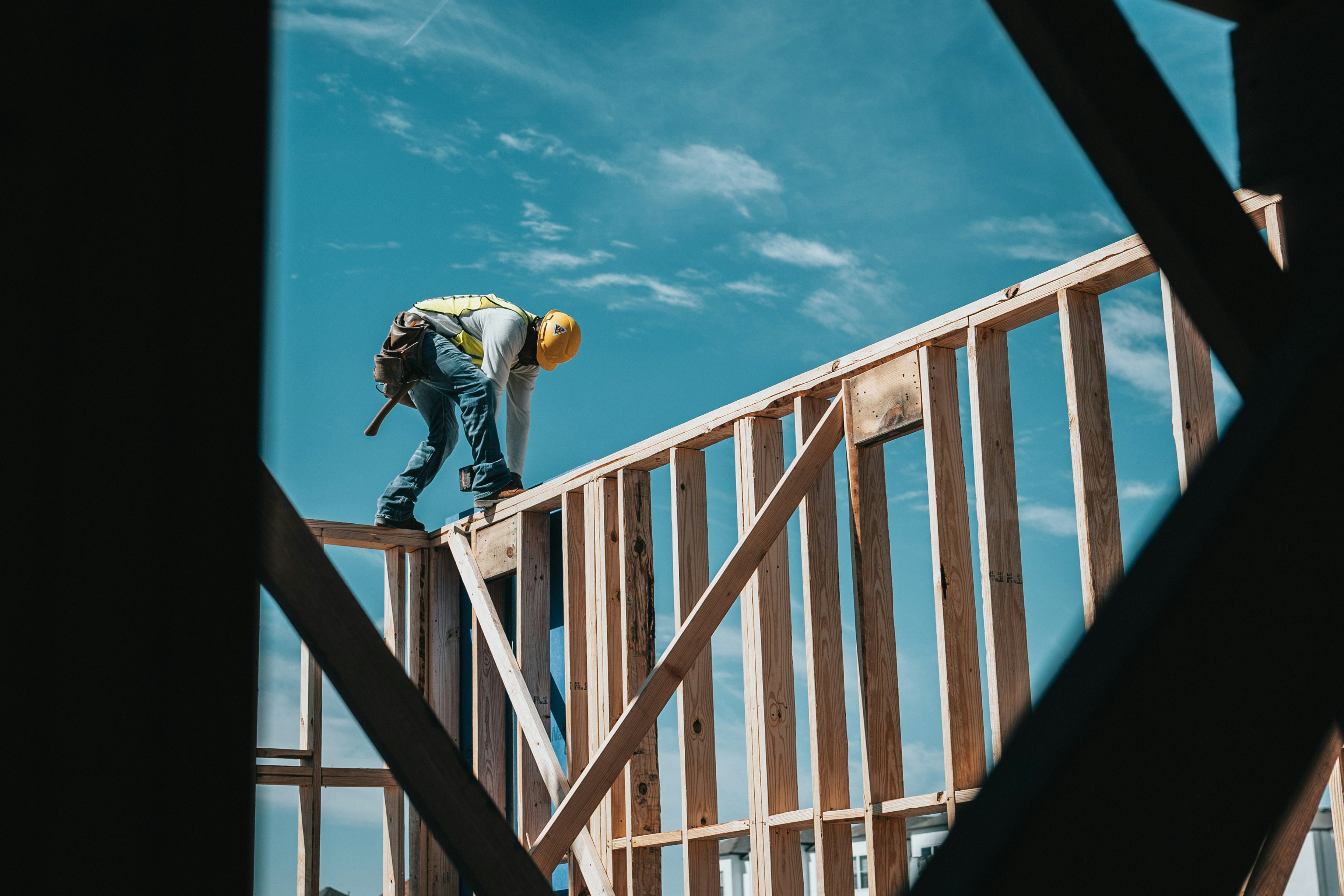
If you own or manage a home, a rental, or a commercial building, you already know weather can turn fast. One minute the sky is calm. The next, the wind is bending trees and the rain is coming sideways. And when a big storm hits, the difference between the owners who recover quickly and the owners who get buried in repair bills almost always comes down to one thing. Preparation.
Severe storms are not rare events anymore. They are a pattern, and the pattern is getting worse, not better. The good news is that you have more control than you think. You cannot stop a storm. But you can decide how ready your building is when one arrives.
Here is what we tell property owners about getting storm-worthy. What to check first, and why the timing matters more than most people expect.
The Risk Is Growing, and the Numbers Prove It
Severe weather is no longer an occasional problem. The country now averages far more billion dollar weather disasters each year than it did a generation ago. In 2023, the United States was hit by a record number of separate billion dollar disasters in a single year. Severe storms, meaning tornadoes, damaging wind, and large hail, make up a growing share of that damage.
Spring and summer are the highest risk months for severe storms across most of the country. You cannot stop a storm. But you can decide how ready your building is when one shows up. That is where a lot of owners leave money, and sometimes much more, on the table.
The Lesson Hiding in One Recent Tornado
After a powerful EF-3 tornado in late 2023, National Weather Service surveyors documented something every property owner should think about.
Some homes had slid right off their foundations. At first that sounds like proof the storm was simply too strong to survive. But the survey team measured the wind in those spots at around 120 miles per hour. That is strong, but it should not move a properly built house off its base. When they looked closer, they found the real problem. Several of those homes were attached to their foundations with straight nails instead of the bolts and anchors that hold a structure down in high wind.
In other words, the buildings did not fail because the storm was unstoppable. They failed because of how they were built and maintained.
That is the whole point. The way your building is built, fastened, and kept up makes a real difference in what survives and what does not. You do not control the wind. You do control the condition of your property.
What Storm-Worthy Actually Means
Getting a property ready for storm season is not about one big expensive project. It is about checking the right things before the sky turns dark. Here is where we tell owners to start.
Your roof. The roof is your first line of defense, and it is the part of the building wind attacks first. Loose shingles, lifted flashing, and worn seals are exactly where wind gets under and starts peeling. The roof matters enough that we gave it a guide of its own, so if you only have time to check one thing before the season, start at the top. Our separate roof readiness guide walks through exactly what to look for.
Your gutters and drainage. Big storms bring heavy, fast rain. When gutters are clogged or pulling away, water backs up and pushes into the roofline, the walls, and the foundation. Clearing gutters and making sure water flows away from the building is simple, low cost work that prevents slow, costly damage.
Your windows and doors. Wind finds the weak points. Gaps around old windows and doors let water in and let pressure build up inside during high wind. Sealing, weatherstripping, and making sure everything closes tight helps your building hold up.
Your trees and surroundings. A lot of storm damage does not come from the building itself. It comes from what is around it. Dead limbs, leaning trees, and loose outdoor items become flying hazards in high wind. Trimming back and clearing the area around your property is one of the smartest pre-storm moves you can make.
Your structure and connections. This is the lesson from that 2023 tornado. The places where your building connects, the roof to the walls and the walls to the foundation, are what hold everything together when the wind pushes hard. On older buildings, these connections are worth a professional look. Small reinforcements can make a big difference.
Why Owners With Many Units Should Pay Extra Attention
If you manage apartments, rentals, or commercial space, every one of these risks is multiplied. One clogged gutter on one building is a small problem. The same issue across 50 or 100 units is a major liability waiting for the next big rain.
After a storm, the owners who recover fastest are almost never the ones scrambling to find a contractor while half the area calls the same few companies. They are the ones who already planned across every building before the season, with a builder who knows their portfolio and can move the moment the weather clears.
The Smartest Time to Prepare Is Before the Forecast
Here is the hard truth about storm prep. The worst time to think about it is when a storm is already in the forecast. By then, supplies are short, contractors are booked, and there is no time to do the work right.
The best time is now, before the next system rolls in. A simple walkthrough of your property tells you what is solid and what needs attention. It costs you nothing to know where you stand. It can cost you a great deal not to.
How a Conversation With Rigel Builders Works
If you want a clear, honest read on how storm-ready your property really is, reach out. Start with a conversation. We will tell you honestly what we see, what we would fix first, and what can wait. We are not here to sell you a project you do not need. We are here to help you protect what you own.
For owners with a portfolio of properties, our Property Partnership Program puts a standing maintenance partner behind your buildings all year. Members get scheduled inspections, priority response, predictable pricing, and a documented file on every building. So when storm season arrives, you are not starting from zero.
Rigel Builders is a licensed, insured, Service-Disabled Veteran-Owned general contractor. We handle residential renovations, commercial buildouts, new construction, and property maintenance, and we build and protect property with the same discipline we learned in service.
A short conversation now can save you from a long, expensive recovery later. Email us at info@rigelbuilders.com or use the contact page and we will set up a time to talk through how storm-ready your property really is.
Find Out How Storm-Ready Your Property Really Is
Whether it's a single home or a portfolio of buildings, reach out for an honest read before the next system rolls in. We'll tell you what we'd fix first and what can wait — no pressure, no long pitch.